News & Media
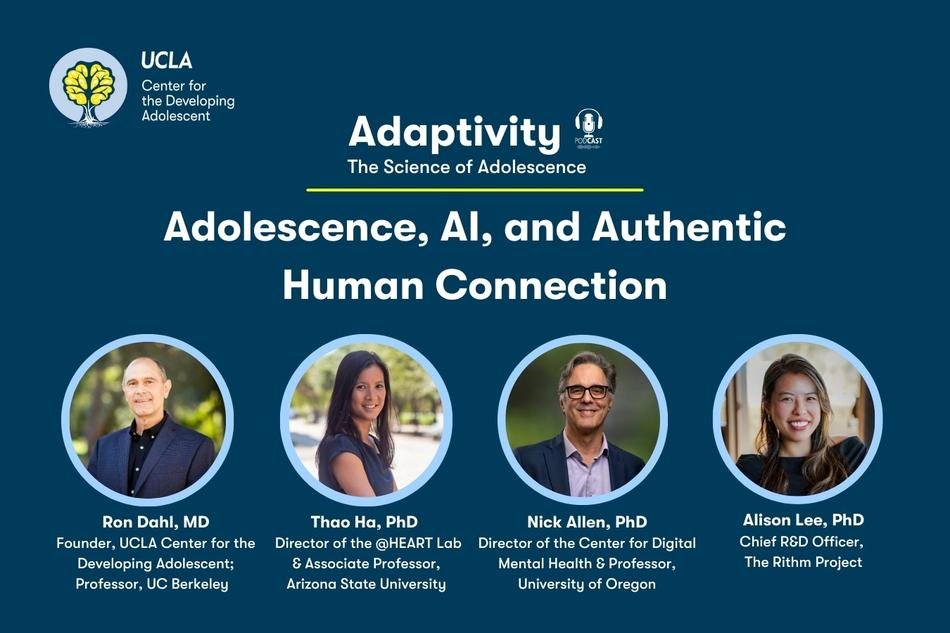
Adolescence, AI, and authentic human connection
03/09/2026
From: UCLA Center for the Developing Adolescent
Dr. Ha is an invited panelist for Adolescence, AI, and Authentic Human Connection. SXSW EDU, Austin. COMING SOON.

The Lancet Child & Adolescent Health In conversation with Thao ha on adolescent digital intimate partner violence
02/11/2026
From: The Lancet
Dr. Ha does a podcast interview for The Lancet Child and Adolescent Health: No Safe Place: Ending Digital Intimate Partner Violence, interviewed by Dr. Amy Slogrove, senior editor, and Matea Canizares, youth advisory board member.
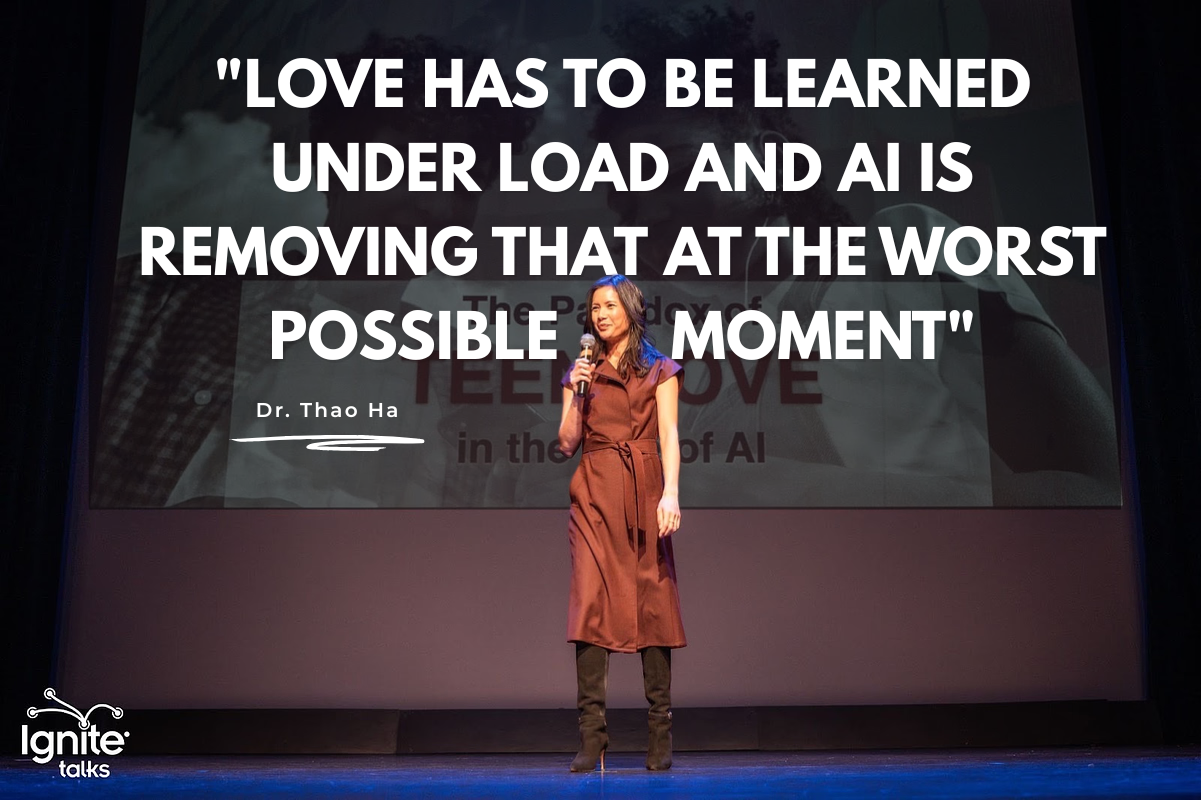
The Paradox of teen love in the age of AI
01/14/2026
From: Ignite Talks
Dr. Ha gave a public Ignite talk examining how adolescents learn to love in a digital world and what is gained and lost when AI becomes a source of intimacy and emotional learning.

ASU professor confronts a hidden global crisis: Digital intimate partner violence among teens
12/15/2025
From: ASU News
Following her call to action in The Lancet Child & Adolescent Health journal surrounding research on the consequences of internet-mediated technologies on young people’s mental health, Dr. Thao Ha speaks with a science writer from ASU’s psychology department to talk about her work. In this interview, Dr. Ha emphasizes how negative online behaviors mirror in-person dating violence and the unique interaction they have with the high rate of online app usage among teens. Dr. Ha not only offers personal reflections regarding the reason she conducts her research as well as what she wants teens and the parents of those teens to understand about intimate partner violence, but also recommendations regarding government policies and the difference in acceptability between in-person behaviors and online behaviors.

MIT Study Finds Chatbot Love Is Real—and It’s Often Unintentional
09/26/2025
From: Observer
This Observer article reports on emerging research from MIT examining how users develop emotional attachments to AI chatbots, often without intending to. The study suggests that even when people initially engage with chatbots for practical or casual reasons, repeated interaction, personalization, and emotionally responsive design can foster feelings of closeness or affection. The piece explores what these findings mean for the future of AI companionship, raising questions about attachment, vulnerability, and how relational dynamics may shift as conversational AI becomes increasingly humanlike.

The women in love with AI companions: ’I vowed to my chatbot that I wouldn’t leave him
09/09/2025
From: The Guardian
This Guardian feature explores the experiences of women who have formed deep emotional and romantic attachments to AI chatbot companions. Through personal narratives, the article illustrates how AI partners can provide constant availability, affirmation, and a sense of emotional safety particularly for individuals who have experienced loneliness, trauma, or dissatisfaction in past relationships. At the same time, the piece raises questions about emotional dependency, the commercialization of simulated intimacy, and how AI companionship may reshape expectations for human relationships in the future.

As AI Dominates, Bumble Turns to Human Experts for Dating Advice Hub
08/18/2025
From: Dating News
This DatingNews.com article highlights Bumble’s decision to prioritize human expertise amid the growing influence of AI in dating culture. Rather than relying solely on algorithmic tools or chatbot-driven advice, Bumble launched a dating advice hub featuring licensed therapists, relationship researchers, and other experts to provide evidence-based guidance. The piece situates this move within broader conversations about AI’s role in intimacy, suggesting that while technology continues to shape modern dating, many platforms are reaffirming the importance of human insight and emotional nuance in relationship development.

Modern Love in the age of technology: Uniting love and technology through Augmented Intimacy
08/08/2025
From: Psychology Today
In this short piece, ASU’s Dr. Liesel Sharabi and Dr. Thao Ha discuss how the prospect of finding love has been profoundly affected by technology. Considering how the power of recent technology has provided a constant means of connection, it might be expected that we should have an easier time finding partners than ever before. But, when dating app users use words such as transactional and dehumanizing to describe their online dating experience, it makes one wonder why unmarried life is higher than it’s ever been before (just below half at 46.4%). Technology has enhanced dangerous behaviors such as emotional abuse, romance scams, and deepfakes and revenge porn, making the landscape of love treacherous for teens and young adults in particular. In order to adapt to this ever-changing landscape, Dr. Sharabi and Dr. Ha introduce the concept of Augmented Intimacy, which is the intentional and ethical design and use of technology that enhances our fundamental human capacity for love, empathy, and connection. As they lead the research in this field, Dr. Sharabi and Dr. Ha are launching The Modern Love Collective (MLC), which leverages data science and storytelling to promote Augmented Intimacy for all people.
AI companions: A threat to love, or an evolution of it?
07/24/2025
From: TechCrunch
This TechCrunch feature examines the rapid rise of AI companion apps and the growing debate over whether they undermine or redefine human intimacy. The article explores how emotionally responsive chatbots are designed to simulate empathy, companionship, and romantic connection, attracting users seeking comfort, validation, or low-conflict relationships. Drawing on expert perspectives, the piece considers both the risks, such as emotional dependency and commercialization of affection and the possibility that AI companions represent a new form of relational experience rather than a replacement for human love.
Should People Date AI? Thao Ha Says ‘Yes, But…’
07/03/2025
From: Dating News
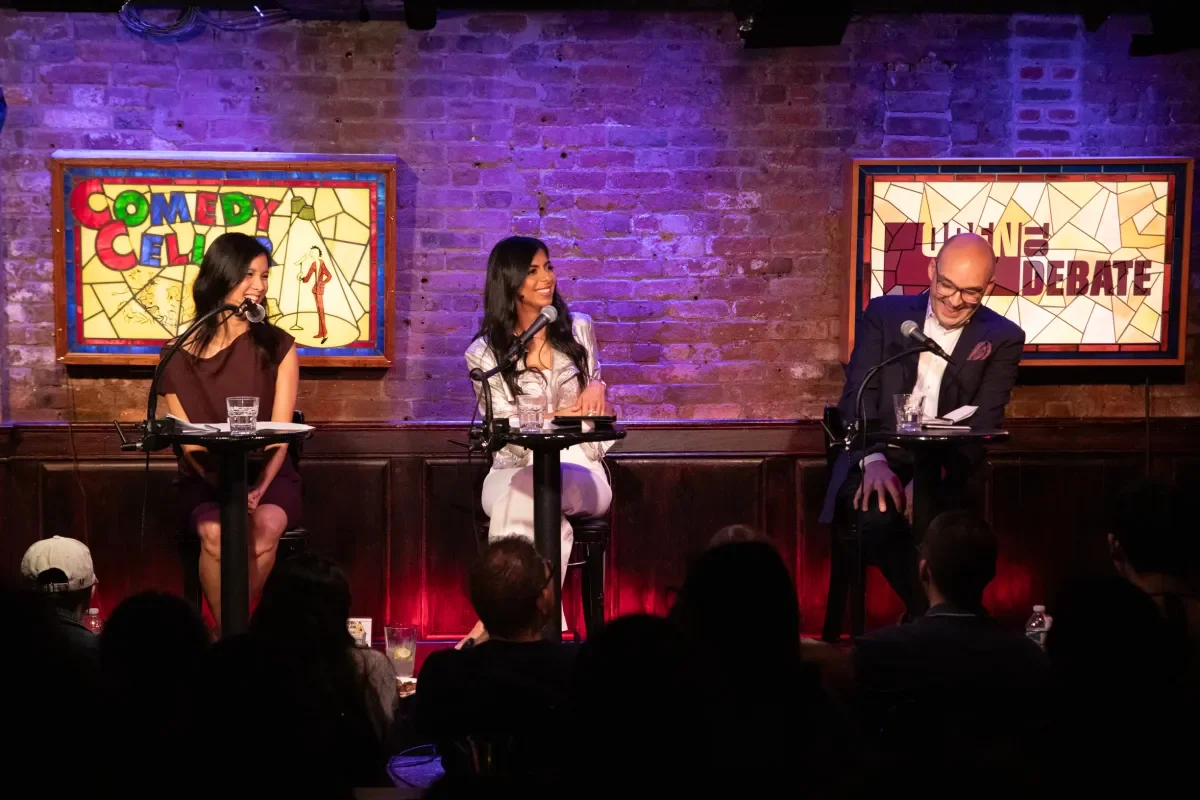
This DatingNews.com article recaps Dr. Thao Ha’s Open to Debate appearance in New York, where she argued that dating an AI chatbot can offer real emotional value in some circumstances, especially as a tool for connection, exploration, or support, while cautioning that it shouldn’t replace human relationships. Ha suggests AI could help people navigate feelings, ease loneliness, or act as a relationship coach, particularly for vulnerable groups like adolescents or couples in distress. She emphasizes a balanced approach that integrates AI alongside real-life connections rather than endorsing AI dating unconditionally.

Can Dating an AI Chatbot Be Better than Dating a Person
06/24/2025
From: Playboy
This Playboy feature covers the growing cultural debate over AI companionship, highlighting a live Open to Debate event in which experts argued whether AI chatbots could rival human romantic partners. Dr. Thao Ha presented the affirmative position, suggesting that AI companions may offer consistent emotional availability, validation, and support, particularly in a time when many young people report loneliness or difficulty forming relationships. The article explores broader questions about intimacy, authenticity, and whether emotionally responsive AI represents a threat to human connection or an evolution of it.
Could Dating an AI Be Better Than Dating a Human?
06/10/2025
From: Open to Debate
In the modern landscape of love where teens are engaging in less romantic relationships than ever before and AI has presented new opportunities for romantic connection, Dr. Thao Ha and Dr. Justin Garcia debate the question: “could dating an AI be better than dating a human?” In her argument that, yes, dating an AI could be better than dating a human, Dr. Ha makes the points that AI can be significantly more emotionally available than a human romantic partner, that we must move forward with regulating AI companions in order to support human flourishing rather than dismissing the entire concept of dating AI, and that the core essence of what a relationship provides, or the feeling of being loved and interdependent (especially in difficult times), is in fact provided by AI. This debate covers topics including trust, social relationships, touch, youth dating, the nature of the data that AI is trained on, and the messy nature of relationships.

Is it better to date an AI chatbot or a person? That's up for debate at the Comedy Cellar.
06/08/2025
From: Gothamist
This Gothamist piece previews a live Open to Debate event at the Comedy Cellar in New York City where psychologists and evolutionary biologists argue whether dating an AI chatbot could be preferable to dating a human. Associate Professor Thao Ha will debate in favor of the idea, suggesting AI might offer emotional support and connection in phases of life where human relationships fall short, without replacing human bonds. Opposing her is Justin Garcia (Kinsey Institute/Match.com), who acknowledges some benefits of AI but argues human relationships remain irreplaceable. The debate reflects broader cultural questions about technology, intimacy, and the evolving role of AI in romantic life.

Your A.I. Lover Will Change You: A future where many humans are in love with bots may not be far off. Should we regard them as training grounds for healthy relationships or as nihilistic traps?
03/22/2025
From: The New Yorker
In this New Yorker Weekend Essay, technology writer Jaron Lanier explores how the rise of emotionally intelligent artificial intelligence could fundamentally reshape human intimacy and romantic relationships. Lanier argues that future AI companions, designed to be attentive, loyal, and comforting, may transform how people experience love and attachment, potentially rivaling or even replacing human partners in some lives. The piece raises ethical and psychological questions about emotional dependence on AI, the commercialization of simulated affection, and the implications for authentic human connection, especially among younger generations grappling with loneliness and the seductive appeal of always-available digital companions.

Teens Are Forgoing a Classic Rite of Passage: Fewer young people are getting into relationships.
03/10/2025
From: The Atlantic
This The Atlantic feature explores a marked decline in traditional teenage dating, with only about 56 % of Gen Z adults reporting they were in romantic relationships as teens, far lower than older generations. Journalist Lisa A. Phillips discusses how many young people today view romance skeptically or prioritize other life goals, and how casual or undefined connections (“situationships”) are replacing formal dating. The piece considers both potential benefits (such as personal growth outside of relationships) and the emotional skills teens may miss without early romantic experiences, ultimately questioning what’s lost or gained as this rite of passage fades.

What's on teens' screens is more important than limiting their screen time, this expert says
08/19/2024
From: KJZZ 91.5 Phoenix
Lots of parents spend lots of time worrying about how long their kids are spending on screens — and what they’re doing while on their phones or other devices. But many parents are less certain about what they should do about that, and how they should talk to their teens about what they’re seeing online.
But Thao Ha says it’s important for parents to stay engaged. She’s an associate professor in the psychology department at ASU, and joins The Show to talk more about this.
ASU study: Support from romantic partners protects against negative relationship stress in teens
05/22/2024
From: ASU News
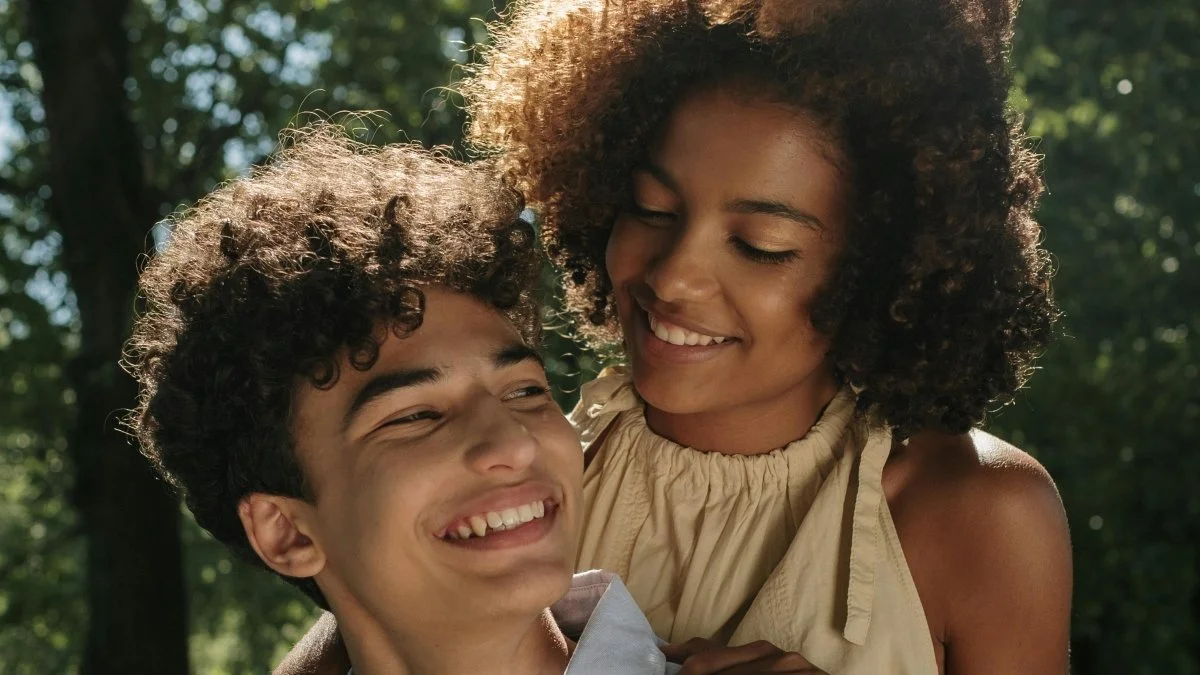
Teens undergo various amounts of stress that can infiltrate their romantic relationships. Associate professor of psychology, Dr. Thao Ha, found that much of adolescents’ stress was connected to how much love they received from their romantic partners. Additionally, the support received from romantic partners as compared to peers and family members had a greater impact on protecting teens from the stress experienced daily.
Love in Adolescence 3: What Youth Could Be Learning About Building Healthy Relationships
02/13/2024
From: UCLA Center for the Developing Adolescent
While many adolescents are quite eager to earn skills in and learn from romantic relationships, the resources they have, ranging from their parents to social media and school-based programs, often fail to satisfy questions surrounding the emotional intimacy required in such relationships. Using personal experiences and professional expertise, Dr. Ha and her co-panelists answer questions regarding the present day climate of romantic relationships, productive ways to have conversations about romantic relationships with adolescents, the potential learning opportunities that lie within romantic relationships, the centrality of romantic relationships to teen identity, the similarities and differences between in-person and online relationships, things they wish they had known earlier about romantic relationships, and the struggles that teens may have in yearning for romantic partners.

ASU study links social media likes to digital dating abuse behaviors in adolescents
02/02/2024
From: ASU News
Many adolescents use various forms of social media platforms, such as Snapchat, TikTok, Instagram, etc. Dr. Thao Ha conducted two studies, one on adolescents in middle school and teenagers in high school, and the other on college students. In the first study, middle school and high school students were shown an Instagram post and told to imagine their romantic partner liking that post, with gender and familiarity factors considered. Gender, specifically if the person in the post was the same gender as the participant, evoked greater feelings of jealousy than did familiarity. In the second study, researchers replicated the procedures of the first study, and the results indicated that while gender evoked jealousy in older adolescents as well, the level of attractiveness of the person in the post also evoked great feelings of jealousy. These findings offer a step forward into understanding the mechanisms that may lead to digital dating abuse.
Graduating psychology student examines developmental pathways to healthy love
11/17/2023
From: ASU News
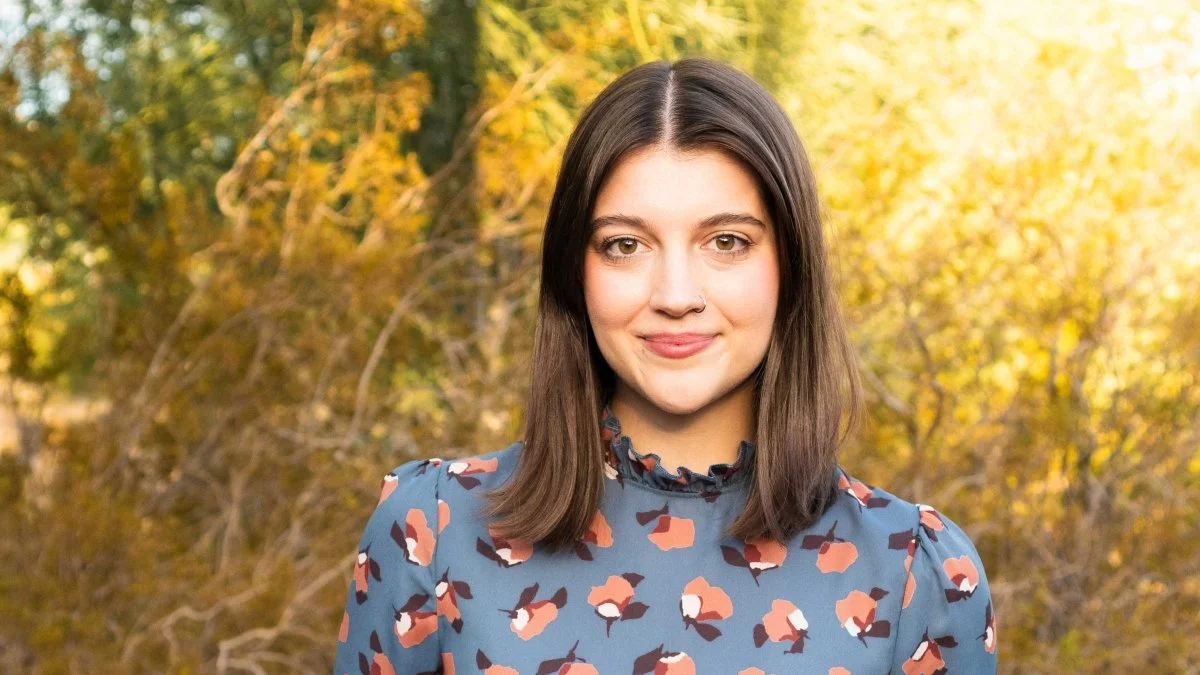
Olivia Maras, a now graduate student part of the @HEART Lab, discusses her research interests on negative parental experiences in adolescence and if that increases the risk of being involved with intimate partner violence. She also discusses her experience at ASU as a project manager for Amplified Voices, a project that aims to spotlight racial and ethnic minority scholars.

Social Adaptivity: Developing Positive Relationship Skills in a Rapidly Changing World
05/29/2023
From: UCLA Center for the Developing Adolescent
Host Ron Dahl talks with guests Thao Ha, Gustavo Carlo, and Yalda Uhls about how emotionally charged relationships during adolescence can help us learn to navigate personal relationships, find our role in our communities, and handle intense emotions throughout our lives.
Psychology Dean's Medalist aims to help teens recognize digital domestic violence
11/28/2022
From: ASU News
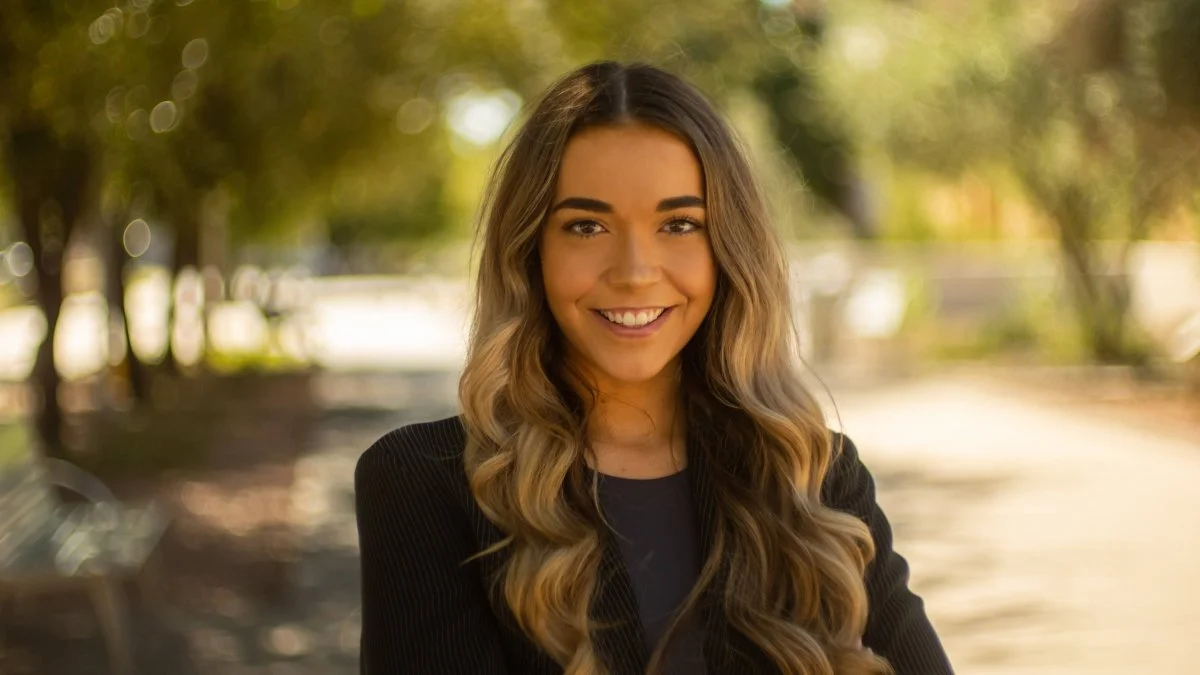
During her time as a research assistant in Dr. Thao Ha’s @HEART Lab, Annie Cooper noticed that young girls at a Title I high school had experienced unhealthy relationships with a romantic partner, friends, and family. Cooper investigated parental mediation which involved parents monitoring their children’s media use and digital dating abuse. Unfortunately, many parents were unaware of digital dating abuse being a problem due to its loose boundaries that are seen throughout in-person abuse. The goal of Cooper’s research is to see whether parent involvement and awareness of digital warning signs can allow for future interventions.

Bringing home a date for Thanksgiving? How to ‘set them up to win,’ according to experts
11/21/2022
From: USA Today
In this USA TODAY feature, Dr. Thao Ha offers guidance on introducing a romantic partner to family during the holidays. She emphasizes the importance of setting clear expectations, preparing both the partner and family members ahead of time, and creating an environment that reduces unnecessary pressure. Dr. Ha highlights how thoughtful communication and emotional preparation can help young couples navigate this milestone in ways that strengthen, rather than strain, their relationship.
Study: Conversations between teenagers can predict future drug, alcohol abuse
06/07/2022
From: ASU News
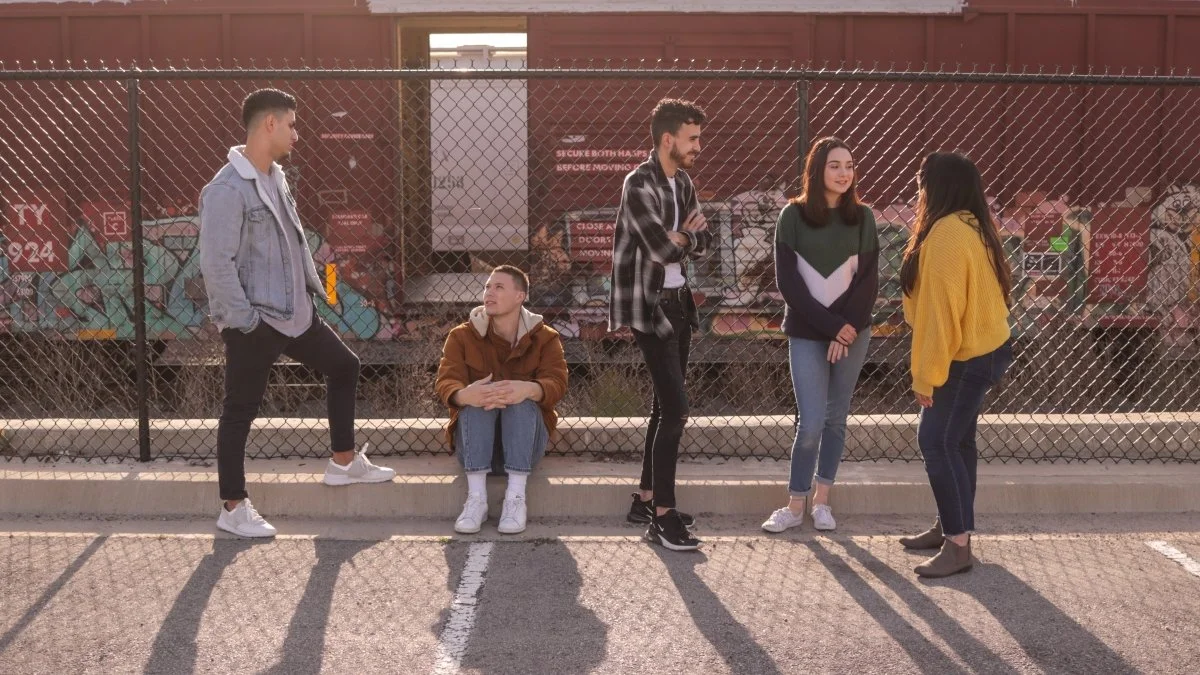
In her research investigating 10-minute conversations between pairs of 17-year-old friends, Dr. Thao Ha found that pairs who discussed topics surrounding substances, such as drugs and alcohol, predicted a substance use disorder for those same pairs at 27-years old. This research emphasized the importance of observing live conversations rather than relying on questionnaires as it predicts behavior later in life.
Students investigate the psychology of relationships: Undergrads in ASU's Navigating Romantic Relationships course write op-eds on the psychology of relationships
02/11/2022
From: ASU News
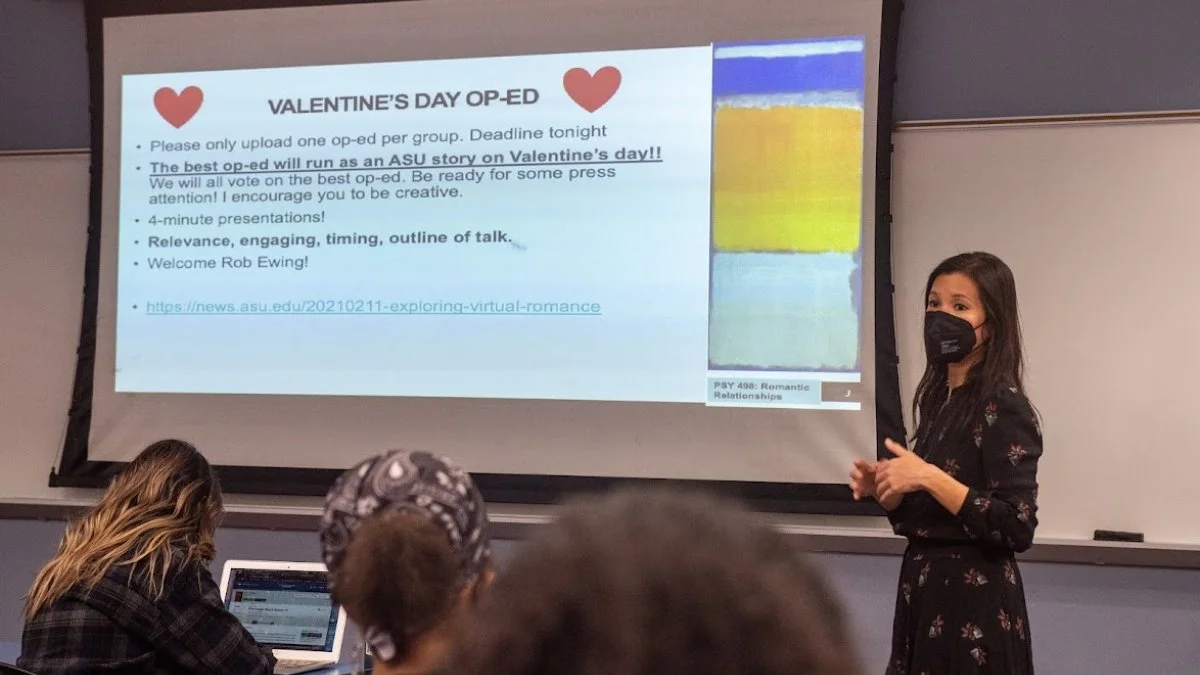
In her course “Navigating Romantic Relationships," Dr. Thao Ha assigned her students a creative research project to present in class that connected class material to relevant topics surrounding relationships. Topics included long-distance relationships, zodiac signs and compatibility, and effective Valentine’s Day dates. Students were asked to vote on their peers’ presentations based on which was their favorite. The students who received the most votes were Shardul Shetye, Daniel Grumbine and Anya Pressendo who discussed why casual intimate relationships lead to failure in the long run using Robert Sternberg’s triangular theory of love. Second place winner was student Leena Darwish who wrote an op-ed on zodiac signs and relationship satisfaction and success. The students with the third most votes were Jacob Moyer and Cami Swaine who investigated the process of co-regulation between partners.

Study reveals how the brain assesses romantic love compatibility
01/07/2022
From: ASU News
In a study that utilized electroencephalography (EEG) to measure electrical activity in the brain, Dr. Thao Ha investigated how the brain processes relationship fit with a current romantic partner. Couples were asked a series of questions regarding characteristics about their relationship such as compatibility in areas of attractiveness toward each other, conversation quality, and intimacy. Couples were also able to see their partner’s answers and fictive "relationship expert” answers. Looking specifically at the P300 brain signal that is triggered during decision making, Dr. Ha found that the P300 track was particularly active when participants had doubts about whether they match with their partner on a certain characteristic. This suggests that people are especially attentive when they are anticipating something to come, specifically, when there are doubts about relationship compatibility, we become more attentive to information regarding our relationship.

Exploring virtual romance: Psychology students write editorials about a very different Valentine's Day
02/11/2021
From: ASU News
In her courses “Navigating Romantic Relationships” for undergraduate students and “Romantic Relationships in Development” for graduate students, Dr. Thao Ha offered an op-ed Valentine’s Day assignment to engage students in course material that would be presented. Due to the assignment’s creative nature, students’ topics ranged from how the COVID-19 pandemic impacted long-distance relationships to first time intimacy expectations. Students presented their work in various forms of music, poetry, presentations and more. Students voted on their peers' presentations based on which was their favorite. Undergraduate student winners Anisha Mehra, Emma Cain, Jasmin Ray, Trinity Strecker and Nisi Jara-Aguirre discussed dating apps, specifically what motivations inspire dating app behaviors. Graduate student winners Erika Pages and Carley Vornlocher discussed the mechanisms involved with finding “the one.”

The Surprising Factor That Helps Students Better Transition to College
11/02/2018
From: Thrive Global
This article, written by Dr. Thao Ha, describes how the relationship between family and friends can impact how students transition to college.

How Your Relationship With Your Friends & Family Can Lead To Coercive Romantic Relationships Later On In Life, According To A New Study
10/31/2018
From: Bustle
This article informs readers on how the relationships with family and friends during childhood could impact adult relationships.
Bawdy talk among adolescents can begin a cascade leading to unhealthy adult relationships
10/30/2018
From: ASU Now
Dr. Ha explains that her research shows how peer influences can predict coercive relationships.
ASU scientists study transition to college to improve student well-being
10/16/2018
From: ASU Now
Dr. Ha discusses how the strength of relationships, such as with family and friends could impact the transition to college for students pursuing higher education.
Not just a summer fling: Teenage love affects mental health, school performance, ASU research shows
04/12/2018
From: ASU Now
Dr. Ha discusses the ASU Hispanic Mother-Daughter Program and the importance of relationships on mental and physical health, as well as academic achievement and engagement.

Authentic romance in college is a rare breed
11/06/2016
From: The State Press
Dr. Ha’s discusses how dating apps has changed the patterns of dating, especially for college students.

Project ASSIST equips parents to help freshmen transition to college
09/15/2015
From: ASU Now
This article explains how the Assist Study was conducted and some of its findings and further research that will be done with the results.